Traditional Jamaican Food Recipes Passed Through Generations
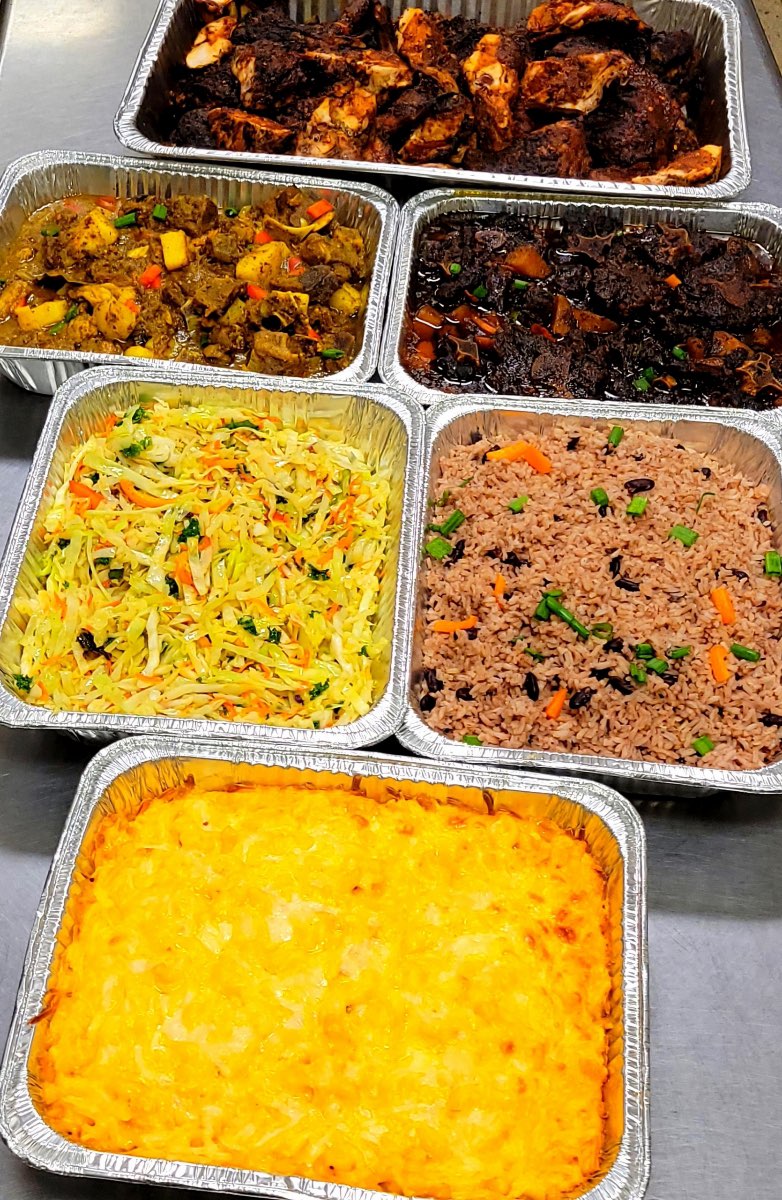
Jamaican cooking has always carried more than flavor. It carries memory, thrift, pride, improvisation, and an instinct for feeding people well even when money is tight. Many of the island’s best known dishes are not simply recipes written on cards or copied from cookbooks. They are methods learned by watching an aunt season a pot without measuring, hearing a grandfather explain when pimento wood smoke is ready, or noticing that one family’s soup always gets a little extra yam because “that’s how your great-grandmother liked it.”
That is what makes traditional Jamaican food so enduring. The recipes survive because they are useful, delicious, and tied to ordinary life. They come from kitchens where cooks had to stretch ingredients, use every part of what they grew or raised, and make meals strong enough to satisfy a full household. Over time, those habits shaped a cuisine that is deeply expressive and remarkably practical at the same time.
When people outside Jamaica think of jamaican food, the mind usually jumps straight to jerk chicken, patties, and perhaps rice and peas. Those are important, certainly, but they are only a small window into a much larger inheritance. The real story includes soups built on provisions from the ground, breakfasts that turn simple saltfish into something luxurious, festival cooking that requires patience, and desserts that show just how far cane, coconut, spice, and ripe fruit can go in the hands of an experienced cook.
The kitchen as inheritance
In many Jamaican homes, recipes were never treated as rigid formulas. That can frustrate someone looking for exact measurements, but it makes perfect sense once you understand the context. A cook working with one Scotch bonnet that is mild and another that is fierce does not season by teaspoon alone. Someone using a fresh coconut one week and canned milk the next has to adjust by feel. Green bananas, yellow yam, cho cho, callaloo, breadfruit, and cassava all vary in size, moisture, and age. So the recipe lives partly in memory and partly in judgment.
That style of cooking is one of the strongest threads passed through generations. Children learn what “enough thyme” looks like. They learn that escovitch pickle should bite sharply but not burn the tongue. They learn that a pot of peas soup thickens as it stands, so the liquid should look slightly looser than you want when you first pull it from the fire. These are not abstract culinary ideas. They are household knowledge, repeated until they feel natural.
There is also a social rhythm around these foods. Some dishes belong to weekends, some to market days, some to church gatherings, and some to Christmas mornings or Easter tables. The recipe is tied to the occasion, and the occasion helps preserve the recipe. A family that insists on bun and cheese at Easter, sorrel at Christmas, or mannish water after a dance keeps those foods alive through repetition.
Ackee and saltfish, the lesson in balance
No dish says more about Jamaican home cooking than ackee and saltfish. It appears simple on the plate, yet it depends on balance, restraint, and timing. Salt cod brings savor and firmness. Ackee brings buttery softness. Onion, tomato, sweet pepper, scallion, thyme, black pepper, and Scotch bonnet fill in the edges. The result should taste rounded and bright, never muddy, never aggressively salty.
Families tend to disagree on details. Some like more tomato, cooked down until it almost disappears into the ackee. Others barely use tomato at all because they want the yellow fruit to stay visually clean and delicate. Some flake the saltfish finely so it seasons the dish throughout. Others keep larger pieces, which creates distinct bites of fish among the ackee. Nearly everyone agrees on one point: ackee must be handled gently. Stir too hard and it collapses into a mash. Cook too long and it loses its character.
The inherited skill here is not just seasoning. It is knowing how to desalinate the fish without stripping it of flavor, how long to sauté the aromatics before adding the ackee, and when to stop. That stop point matters. Good ackee and saltfish often looks slightly less “finished” than inexperienced cooks expect. The best version holds shape and moisture. It should feel tender and rich, especially beside boiled green bananas, fried dumplings, roasted breadfruit, or hard dough bread.
The dish also tells a wider Jamaican story. Ackee itself came from West Africa. Salt cod arrived through colonial trade routes. Local produce and seasoning tied it all together. Like much of jamaican food, it reflects movement, adaptation, and the skill of people making something lasting from what history put in front of them.
Rice and peas is not an afterthought
Rice and peas suffers from familiarity. Because it sits beside so many center-of-plate dishes, people sometimes speak of it as if it were a side to fill space. In a serious Jamaican kitchen, it is a dish with its own standards. It should smell faintly of coconut, thyme, scallion, and allspice. The grains should be separate but not dry. The peas, whether kidney beans or gungo peas depending on the season and household tradition, should be cooked through without disintegrating.
Older cooks are often exacting about texture. Too much liquid and the rice goes soft and swollen. Too little, and the center remains chalky. Coconut milk complicates the process because its fat changes how the rice cooks. So does the age of the rice itself. A cook with experience can hear when the pot shifts from active bubbling to the quieter stage where steam is finishing the grains. That kind of sensory cooking rarely appears in written recipes, yet it is exactly how these dishes are transmitted.
Sunday dinner in many Jamaican families revolves around this pot. It might arrive with brown stew chicken, fried fish, curried goat, or a roast. The rice and peas catches gravy, offsets spice, and anchors the meal. When leftovers remain, they are rarely wasted. Reheated properly, often with a splash of water and a tightly covered pot, they can be nearly as good the next day.
Soup as medicine, nourishment, and memory
Jamaican soups occupy a special place because they blur the line between food and care. Chicken foot soup, red peas soup, fish tea, pumpkin soup, and mannish water are not just things to eat. They are things people bring when someone is tired, recovering, hungry, grieving, celebrating, or simply in need of fortification.
Red peas soup in particular shows how generations preserve technique. It begins with red peas, usually kidney beans, simmered until they soften and enrich the liquid. Into that pot go salted meat or pig’s tail in some households, fresh meat in others, along with provisions such as yam, green banana, coco, and carrots. Then come dumplings, often spinners, and the seasonings that give the broth its depth. The soup should finish thick enough to coat a spoon lightly, not like a thin broth and not like a puree.
Every family seems to have a small point of pride in their soup. One cook swears by extra scallion. Another insists that the dumplings must be slim enough to cook evenly and not bloat. Another says soup without enough yam is not worth serving. These preferences sound minor until you taste the difference. They matter because they shape the memory of what “proper soup” means within a family.
Fish tea is another excellent example of inherited judgment. Despite the name, it is not tea in the conventional sense but a clear fish soup, often sharpened with pepper and herbs. Its strength lies in clarity. The broth must taste deeply of fish and seasoning without turning cloudy or heavy. That requires attention to heat, timing, and the sequence of ingredients. It is one of those dishes that can look simple to an outsider while exposing every weakness in a cook’s technique.
Jerk is older and more nuanced than its export version
Jerk has become one of Jamaica’s global signatures, but its deepest roots are older than restaurant menus and bottled sauces. Traditional jerk cooking grew from methods of preserving and flavoring meat with salt, spice, smoke, and slow heat. The seasoning, based around Scotch bonnet, pimento, thyme, scallion, and other aromatics, is only part of the story. The cooking environment matters just as much.
When jerk is done in the traditional style, the smoke is fragrant and penetrating, not acrid. The meat cooks slowly enough to absorb flavor and hold moisture. There is char, but not carelessness. People who grew up around roadside jerk pans can often tell from the smell alone whether the fire is well managed. They know whether the chicken was seasoned long enough. They know if the cook leaned too hard on sweetness or bottled shortcuts.
Recipes passed through generations tend to preserve the less obvious details. Meat may rest overnight with seasoning, not because it sounds romantic, but because the salt and spice need time to move inward. Pimento wood, if available, is valued not for nostalgia alone but for the specific aroma it gives. The ratio of pepper to scallion changes depending on the audience, the age of the birds, and whether the meat is chicken or pork.
This is where experienced Jamaican cooks often show real discernment. Not every piece needs the same treatment. Chicken leg quarters can tolerate stronger seasoning than breast meat. Pork shoulder benefits from low, patient heat that softens fat and connective tissue. The seasoning has to support the meat rather than drown it. That understanding is one reason traditional jerk remains hard to imitate, even when all the visible ingredients are listed.
Ground provisions and the intelligence of everyday cooking
One of the most underappreciated strengths of jamaican food is its command of ground provisions. Yam, sweet potato, cassava, coco, green banana, and breadfruit are treated not as rustic filler but as essential food with distinct personalities. Older generations knew how to use each one according to season, appetite, and purpose.
Boiled provisions can accompany breakfast, lunch, or dinner, yet each item behaves differently. Green bananas hold firm and slightly dry, which makes them useful with saucy dishes. Yellow yam has a dense, satisfying texture and a subtle earthiness. Breadfruit, roasted correctly, turns soft and starchy inside with a gentle smokiness if cooked over open flame. Cassava can be wonderful, but it demands respect in preparation and cooking. None of these foods are interchangeable, even if they can occupy the same part of the plate.
This knowledge developed from necessity, but it deserves recognition as culinary intelligence. Feeding a family from what grows well locally is not a lesser form of cooking. It often produces stronger technique because the cook must understand the ingredient from harvest to pot. That is how dishes like rundown, soups, and breakfast platters developed such depth. They rely on ingredients many industrial food cultures overlook, yet they create meals of remarkable satisfaction.
Rundown, the art of coconut and patience
Rundown, especially mackerel rundown, captures a very Jamaican kind of thrift and finesse. Salted mackerel is simmered with reduced coconut milk, onion, tomato, thyme, scallion, garlic, and pepper until the sauce tightens and coats the fish and vegetables. The phrase “run down” refers to the coconut milk cooking down, concentrating its flavor.
This is not a dish that responds well to rushing. Coconut milk can split harshly if handled carelessly. Salted fish can dominate if not soaked and boiled properly first. The sauce needs to reduce enough to become rich, but not so much that it turns greasy or stiff. Breadfruit, dumplings, or green bananas often complete the plate, and each accompaniment catches that coconut gravy differently.
What families pass down here is often proportion. Some prefer a more stew-like version with visible sauce. Others cook it drier and more intensely. Some add a little sweetness from ripe tomato, while others keep it sharper and more savory. A grandmother may not describe these choices in formal culinary language, but she knows exactly when the pot is right. If you ask how, she may say simply, “You can see it.”
Festival food and the recipes that gather people
Certain dishes endure because they are tied to gathering. Jamaican patties, fried dumplings, festival, curries, and celebratory cakes are often made for groups, which means younger relatives are around to watch and help. That matters more than people realize. A child asked to crimp pastry edges or roll a dumpling learns the https://raymondzapy994.westhavenscope.com/posts/a-closer-look-at-jamaica-s-most-iconic-food feel of the dough long before they understand the recipe on paper.
The patty is a good example. At its best, the crust is short and flaky with enough turmeric or curry powder to give it color and warmth, while the filling, whether beef, chicken, or vegetables, remains moist and well seasoned. The difference between a fine patty and a forgettable one is usually in the handling of the dough and the moisture control of the filling. Too wet, and the pastry goes soggy or bursts. Too dry, and the filling tastes mean. Commercial bakeries know this, but home cooks knew it first.
Festival, often served with fried fish, tells a similar story. It sits somewhere between dumpling and sweet fried bread, with cornmeal lending texture and a touch of sugar balancing the salt and spice of the meal around it. The texture should be light enough to bite through easily, not dense and oily. Achieving that means understanding oil temperature and dough consistency, skills usually learned by repetition.
Christmas and Easter hold some of the strongest traditions
Holiday cooking is where family food memory often becomes most concentrated. In Jamaica, Christmas frequently brings sorrel, Christmas cake, and substantial meat dishes. Easter often means bun and cheese, sometimes with fish playing a stronger role during the season. These foods are anticipated months ahead, and because they return reliably each year, their recipes become deeply ingrained.
Jamaican Christmas cake, descended from older fruit cake traditions but transformed by local rum, wine, mixed peel, browning, and spice, is a serious undertaking in many households. The fruits may soak for weeks or longer. The cake itself should be dark, aromatic, moist, and dense without becoming heavy. One family may lean harder into burnt sugar notes from browning, another into citrus peel, another into the warmth of nutmeg and cinnamon. If there is a “correct” version, it exists only within the standards of the family that makes it.
Sorrel, steeped with ginger and sometimes pimento, shows another kind of inheritance. It seems straightforward, but the balance is delicate. Too much sweetness and it goes flat. Too much ginger and it overwhelms the floral tartness of the sorrel. Served chilled, it is refreshing, spiced, and unmistakably festive. Many people know the taste they want immediately, because they have been drinking some version of it since childhood.
Easter bun offers a different pleasure, dark and sticky with dried fruit and spice, often sliced thick and eaten with processed cheddar. To anyone unfamiliar, that pairing may seem unusual. To those who grew up with it, it is exact and necessary. The sweet, fragrant bun and the salty firmness of the cheese belong together.
The recipes change, but the backbone remains
No tradition stays frozen. Families migrate. Ingredients become scarce or more expensive. Health concerns alter how much salt, sugar, or fat people use. Urban life changes what can be cooked outdoors or over wood. A cook in London, Toronto, or New York may rely on substitutes that someone in rural Jamaica never needed. Yet traditional recipes often survive these changes because the backbone remains intact.
A family might use canned ackee instead of fresh. They may bake jerk chicken in an oven when outdoor smoking is impossible. They may trim down the salt in rundown or use turkey neck instead of pig’s tail in soup. These choices do not automatically make the food less authentic. What matters is whether the cook understands the purpose of the original method and adapts with care rather than convenience alone.
That is an important distinction. Traditions are not museum pieces. They are living practices. A good inherited recipe can absorb practical changes if the cook preserves its flavor logic, texture, and spirit. The problem comes when shortcuts erase the very qualities that define the dish. Coconut flavor cannot disappear from rundown. Rice and peas cannot become plain white rice with beans stirred in at the end and still mean the same thing. Jerk cannot be reduced to sweetness and smoke flavoring without heat, herb, and depth.
Why these recipes continue to matter
Traditional Jamaican recipes passed through generations remain powerful because they still answer real needs. They feed large groups without losing character. They make inexpensive ingredients feel abundant. They connect younger people to elders through repetition and taste. They also remind cooks that technique is not always about prestige ingredients or fashionable equipment. Often it is about control, patience, and attention.
There is dignity in a breakfast of ackee and saltfish done properly. There is craft in a pot of red peas soup that lands at just the right thickness. There is memory in the smell of pimento and smoke rising from jerk, in the cut of Easter bun, in the first cold sip of sorrel at Christmas. These are not small things. They are the daily and seasonal rituals that keep a cuisine rooted.
Anyone who wants to understand jamaican food beyond the postcard level should pay attention to those family methods, the unwritten parts most of all. Listen when an older cook says the pot needs a little more thyme, a little more time, or no more stirring. Watch how they test dumpling dough with their fingers or judge coconut reduction by the sound of the simmer. That is where the inheritance lives, not just in ingredients, but in judgment.
And judgment, more than any single recipe, is what generations have really passed down.
Reggae Pot Jamaican Grill
7562 S University Blvd C, Centennial, CO 80122
(303) 997-5623
FAQ About jamaican food
What is the best Jamaican food to try in Centennial?
The best choice depends on your preferences. Reggae Pot Jamaican Grill offers jerk chicken, curry goat, oxtail, and escovitch snapper, along with sides such as rice and peas and fried plantains. Ask the restaurant about current availability and spice levels before ordering.
Is Jamaican food very spicy in Centennial?
Heat varies by dish and preparation. Jerk dishes can be hot, while some stews and sides are milder. Tell the restaurant your preferred heat level and ask which options suit you.
What is typically on a Jamaican menu?
Common choices include jerk chicken, curries, oxtail, fish, patties, rice and peas, and plantains. Reggae Pot also lists ackee and saltfish and vegetable dishes. Menus and availability can change, so confirm your choices when ordering.