Why Jamaican Food Is a Feast for the Senses
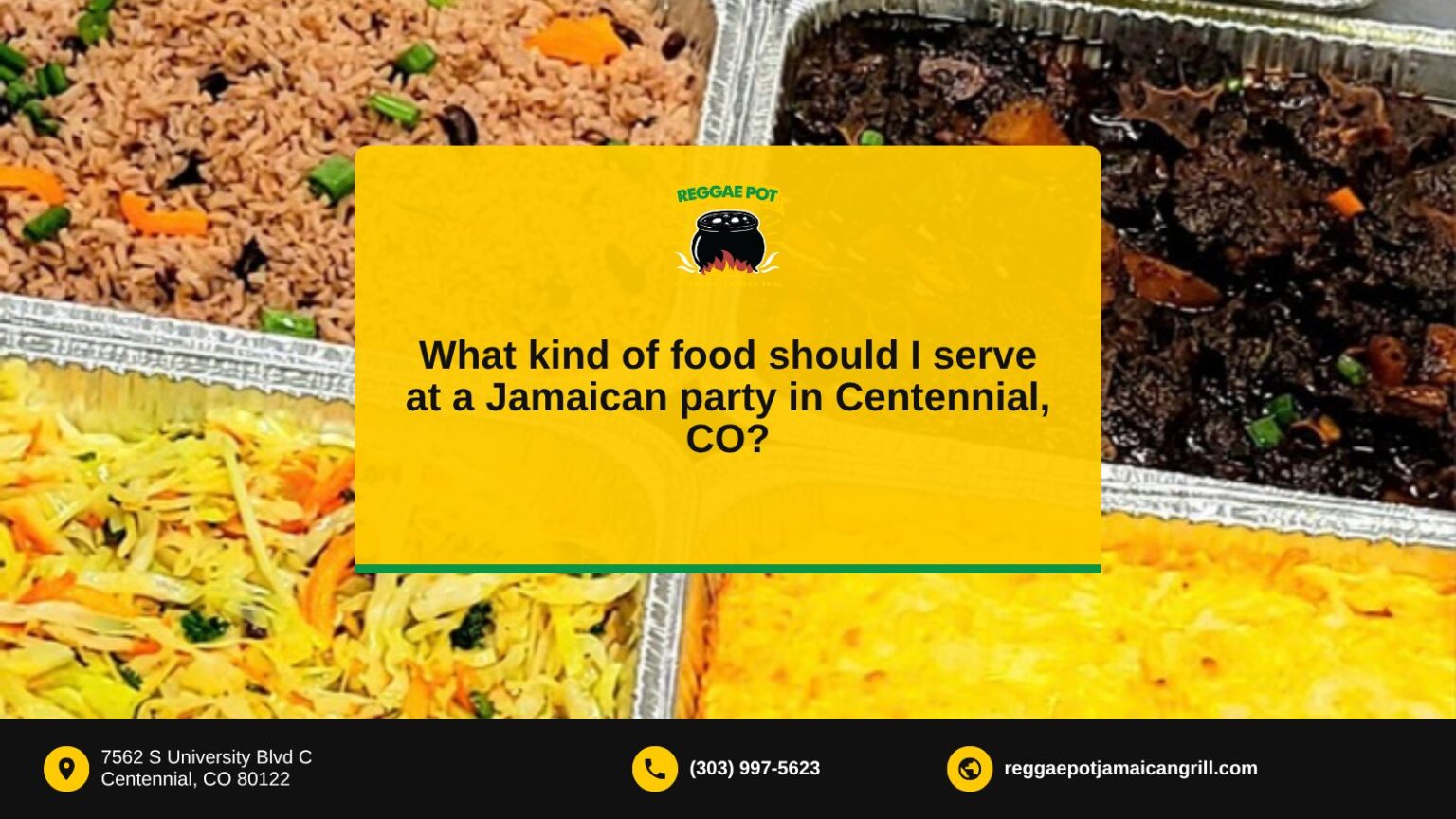
Jamaican food does not arrive quietly. It announces itself in layers, often before the plate touches the table. You smell smoke from pimento wood, thyme rising out of a simmering pot, the sweet pull of caramelized sugar in plantains, the sharp edge of Scotch bonnet pepper cutting through the air. Then the colors hit you, golden fried dumplings, deep brown stew gravy, bright callaloo, vivid slices of mango or escovitch vegetables stained with turmeric and vinegar. By the time you take the first bite, half the experience has already unfolded.
That is part of what makes Jamaican food so memorable. It is not simply flavorful, though it is certainly that. It is sensory in the fullest sense, grounded in sound, smell, texture, heat, memory, and place. A proper meal often includes contrast at every turn, crisp and soft, spicy and sweet, smoky and fresh, rich and acidic. You can taste history in it, too. African cooking traditions, Indigenous ingredients, European colonial influences, Indian curry techniques, Chinese contributions, and the practical brilliance of island home cooks all meet in the same kitchen.
People often reduce Jamaican cuisine to jerk chicken and patties. Both deserve their fame, but they are only a narrow entry point into a much bigger culinary world. To understand why Jamaican food leaves such a strong impression, it helps to look beyond the famous dishes and pay attention to how the cuisine works on the senses from the ground up.
The first sense is smell, and Jamaican kitchens know it
Walk near a roadside jerk pan in Jamaica and you understand quickly why aroma matters so much. The scent of meat cooking over pimento wood has an almost magnetic quality. Smoke carries clove-like sweetness, warm spice, char, and the unmistakable bite of allspice. It gathers in your clothes and lingers on your hands. A good jerk pit can make a person hungry even after a full meal.
That aromatic power is not limited to outdoor cooking. Inside the kitchen, Jamaican food begins with fragrance. Onion, scallion, thyme, garlic, ginger, Scotch bonnet, and allspice often form the opening chorus. The mixture is assertive, but it is not careless. Experienced cooks know when to let the thyme steep and when to hold back the pepper. They understand that a curry should bloom in hot oil for just long enough to lose its raw edge, and that coconut milk changes character as it heats, moving from sweet and fresh to round and savory.
Rice and peas offers a good example. At a glance, it can seem like a simple side dish. In practice, it is one of the best arguments for Jamaican restraint and balance. Kidney beans or gungo peas simmer with coconut milk, thyme, scallion, garlic, and Scotch bonnet, often with a little allspice. The finished pot smells creamy, herbal, and faintly peppery, with each aroma supporting the others. When it is done well, nothing shouts, but everything registers.
Smell also carries memory in Jamaican cooking. Many people who grew up with these foods can identify a dish long before seeing it. Saturday soup simmering by late morning, fried fish hitting hot oil on a beach, buns baking near Easter, sorrel steeping near Christmas, each scent marks time as much as taste. That connection between aroma and occasion gives Jamaican food emotional force.
Flavor in Jamaican food is built on contrast, not just heat
Outsiders sometimes assume Jamaican food is mainly about spice. More specifically, they imagine it as a test of tolerance for hot pepper. Scotch bonnet is central to the cuisine, but heat alone is not the story. The better way to think about Jamaican flavor is contrast under control.
Take brown stew chicken. The sauce is dark, glossy, and deeply savory, but it also carries sweetness from browning sauce or caramelized sugar, aromatic lift from thyme and scallion, and acidity from tomato. The chicken itself is often seasoned deeply before cooking, then browned to develop flavor before being simmered. What lands on the palate is layered rather than blunt. You taste the sear, the gravy, the herbs, and then a small warming glow from pepper in the background.
Escovitch fish works differently. Here the pleasure comes from a sharp, vivid tension between crisp fried fish and a topping of pickled vegetables, usually onion, carrot, and Scotch bonnet in a vinegary dressing. The fish gives salt and richness. The vegetables bring crunch and acid. The pepper brightens rather than overwhelms. Served with bammy or festival, the dish becomes a lesson in balance.
Even highly seasoned dishes such as jerk rely on complexity. A proper jerk marinade often includes allspice, thyme, scallion, garlic, ginger, nutmeg, cinnamon, and Scotch bonnet, among other ingredients depending on the cook. The result should be spicy, yes, but also woody, sweet, herbal, and slightly bitter from char. Good jerk is not one-note heat. If the only thing you remember is pain, the seasoning was probably not well judged.
Texture is one of the cuisine’s great strengths
Many cuisines excel at flavor but give less attention to textural play. Jamaican food, by contrast, often feels designed for the mouth as much as the palate. That is one reason it satisfies so deeply.
Think of a classic breakfast of ackee and saltfish. Ackee, when properly cooked, is delicate and buttery, almost like soft scrambled eggs crossed with avocado. Saltfish brings firmness, salinity, and chew. Add sautéed onion, tomato, sweet pepper, and perhaps boiled green banana or fried dumplings, and the plate becomes a study in texture. Soft meets dense, flaky meets tender, and every bite changes depending on what the fork catches.
The same is true of soup, a category where Jamaican cooks show enormous skill. Red peas soup, mannish water, pumpkin soup, and chicken foot soup all offer distinct textural experiences. You may find silky broth thickened naturally by starchy provisions, bits of yam that hold their shape, dumplings that turn pleasantly dense, and meat that slips from the bone after a long simmer. These are not thin broths meant to be merely sipped. They are substantial, tactile meals.
Street foods push texture even further. A beef patty with a flaky crust and spicy filling is satisfying partly because of the contrast between brittle pastry and moist interior. Coco bread, soft and slightly sweet, changes the experience when a patty is tucked inside it. Festival offers a crisp exterior with a tender middle. Bammy, made from cassava, can be chewy, toasted, and creamy at once depending on how it is cooked. These details matter. They keep the food lively from first bite to last.
Color on the plate is not decoration, it is part of the appetite
Jamaican food tends to look alive. This sounds obvious, but many popular comfort cuisines lean toward beige or brown. Jamaican cooking embraces those darker, richer tones while insisting on brightness beside them.
A plate of curry goat may be yellow-gold with oil stained by turmeric and curry spice. Callaloo brings a dense green that signals iron-rich depth before you taste it. Steamed cabbage often arrives flecked with carrot and bell pepper, adding sweetness and visual lift. Ripe plantain caramelizes into a burnished amber. Fresh fruit, papaya, pineapple, otaheite apple, guinep, and mango, often appears in colors so saturated they almost look painted.
Those colors do more than please the eye. They prepare the eater for what is coming. You can often predict the taste profile of a Jamaican dish just by looking at it. Red stew gravy suggests sweetness and depth. Green seasoning implies freshness and herbs. A pale, creamy rundown hints at coconut richness. Visually, the cuisine makes a promise, and more often than not it keeps it.
That visual abundance is especially striking in market culture. Produce stalls in Jamaica can feel like a primer on flavor before anything is cooked. Scotch bonnets in orange and red, heaps of thyme, glossy callaloo leaves, yellow yams, coconuts, breadfruit, and bunches of bananas all point toward the dishes they will become. The sensory story starts long before the stove.
Smoke, fire, and the taste of the landscape
Few culinary traditions communicate place as clearly as Jamaican food cooked over flame. Jerk, in particular, is inseparable from its method. Even when home cooks adapt it for an oven or grill abroad, the ideal remains tied to smoke and wood.
Pimento wood is central here. It is not just fuel. It contributes flavor that is https://louisupbs514.huicopper.com/discovering-authentic-jamaican-food-one-dish-at-a-time hard to reproduce exactly with liquid smoke or generic hardwood charcoal. Combined with the allspice-heavy seasoning, it creates a loop of aroma and taste that feels specific to the island. That specificity matters because Jamaican food is deeply rooted in landscape. Breadfruit roasted over open flame, fish cooked near the sea, soups built from yam and coco, these dishes speak in local ingredients and methods.
There is also a practical intelligence behind these techniques. Open-fire cooking, marinating, salting, stewing, and frying all developed partly through necessity, climate, and available resources. What emerged from those constraints is food with extraordinary personality. Smoke, char, and heavy seasoning were not style choices alone. They were useful methods that became beloved flavors.
One of the pleasures of eating Jamaican food in Jamaica is hearing it as well as tasting it. Oil crackles under frying fish. A pot lid rattles while rice finishes steaming. Jerk meat sizzles as fat drips onto coals. Vendors call out orders over the hiss of grills and the beat of dancehall from a nearby speaker. The cuisine is sonic in a way that often gets overlooked. Sound primes expectation. By the time the food reaches you, your senses are already fully engaged.
A cuisine shaped by history tastes layered because it is layered
Jamaican food did not become complex by accident. Its depth reflects centuries of movement, survival, adaptation, and exchange. African traditions brought techniques, ingredients, and the framework for many foundational dishes. Indigenous Taíno influence remains visible in ingredients like cassava and methods of cooking. Spanish and British colonial periods left marks on livestock, pastries, and preservation practices. Indian indentured laborers contributed curry and new spice habits. Chinese Jamaicans shaped parts of the island’s restaurant and market culture. The result is not a patchwork of separate cuisines but something integrated and distinctly Jamaican.
You can taste that history in everyday dishes. Curry goat is one of the clearest examples. Curry powder itself reflects Indian influence, but the Jamaican version evolved its own personality, often more assertive in allspice, Scotch bonnet, and herbs. Patties, with their turmeric-tinted crusts and portable form, have roots in British pastry traditions but changed entirely in local hands. Rundown, in which fish simmers in seasoned coconut milk until the sauce thickens, speaks to coastal resourcefulness and Caribbean coconut cookery at its best.
What impresses me most about Jamaican food is how naturally these influences sit together. Nothing feels academic on the plate. Home cooks rarely explain the historical lineage while serving Sunday dinner. They simply cook what generations refined. That confidence is part of the cuisine’s appeal. It knows what it is.
The role of seasoning is deeper than a recipe can show
People who try to recreate Jamaican food at home often focus on ingredients but miss technique and timing. Seasoning in this cuisine is not just a list. It is a sequence, a feel, and a relationship between ingredients.
For instance, green seasoning or a wet marinade needs time. If chicken is merely coated and cooked right away, the flavor sits on the surface. Left to rest, the seasoning sinks in and changes the meat more fully. The same goes for fish. Saltfish must be prepared carefully so it seasons the dish without dominating it. Scotch bonnet can be used whole to perfume a pot, sliced for visible heat, or crushed for full force. Those are very different outcomes.
There is also the matter of judgment. Jamaican cooks often measure by eye, smell, and habit rather than strict spoons and cups. They know when thyme has given enough. They can tell from the color of browning sauce whether a stew will lean sweet or bitter. They understand that allspice should be present but not muddy, and that too much clove or nutmeg can flatten a dish fast.
A few details consistently separate average Jamaican cooking from excellent Jamaican cooking:
- The seasoning reaches the core of the ingredient, not just the exterior.
- Heat is calibrated, so Scotch bonnet adds dimension rather than chaos.
- Herbs stay identifiable instead of disappearing into a generic savory note.
- Sweetness, whether from plantain, browning, or coconut, is balanced by acid, salt, or spice.
- Cooking time matches the ingredient, because overcooked fish and undercooked provisions both dull the meal.
That kind of judgment rarely appears in simplified restaurant descriptions, but it is the backbone of the cuisine.
Everyday food and celebratory food often overlap
One of the charming things about Jamaican food is that dishes with serious depth are not reserved only for rare occasions. A weekday lunch can carry the same sensory punch that another culture might save for a holiday table. Rice and peas, stew chicken, callaloo, fried plantain, and macaroni and cheese can appear in an ordinary meal and still feel festive.
At the same time, there are dishes and drinks that signal special moments. Christmas sorrel, often infused with ginger and sometimes rum, is one of the island’s most vivid seasonal flavors. Easter bun and cheese creates a sweet-spiced ritual that many people wait for all year. Goat soup or mannish water at gatherings, roast pork at community events, and black cake during the holidays all show how food anchors celebration.
The overlap matters because it means sensory richness is woven into daily life. Jamaican food does not draw a hard line between nourishment and pleasure. Even humble dishes receive real attention. Cornmeal porridge may be breakfast, but with cinnamon, nutmeg, vanilla, and condensed milk, it becomes aromatic comfort rather than mere fuel.
The best meals respect both abundance and restraint
From the outside, Jamaican cooking can look maximalist. Bold spices, smoke, frying, rich gravies, hot peppers, dense starches, and sweet drinks might suggest a cuisine that always turns every dial up. Spend time with it, though, and a subtler pattern emerges. The best Jamaican meals know when to pull back.
Ackee needs gentle handling or it loses its elegance. Callaloo should taste green and fresh, not boiled into dullness. A stew wants enough browning for depth, but not so much that it goes harsh. Even jerk, the poster child for intensity, works best when the smoke, spice, and char stay in proportion.
This balance is where experience shows. Restaurants that cater to tourists sometimes overcompensate, making food saltier, sweeter, or hotter than it needs to be. By contrast, a seasoned home cook often produces a meal that feels more vivid precisely because it is more controlled. Every component has room to speak.
For someone new to Jamaican food, that balance becomes clearer if the meal includes a range of textures and temperatures rather than a single dominant dish. A strong plate often combines rich protein, a starch that absorbs flavor, a vegetable element for freshness, and something sweet or acidic to reset the palate. One dish can be memorable, but a full plate reveals how the cuisine thinks.
Here is a simple way to notice the sensory design of a Jamaican meal the next time you eat one:
- Smell before you taste, especially the herbs, smoke, and pepper.
- Look for color contrasts, because they often predict flavor contrasts.
- Pay attention to texture, not just spice level.
- Notice whether sweetness is balancing heat somewhere on the plate.
- Listen to what lingers after the bite, smoke, thyme, coconut, vinegar, or pepper warmth.
That approach turns a meal from enjoyable to legible. You begin to understand why the food feels so complete.
Jamaican food stays with you because it engages memory
Some cuisines impress in the moment and fade a few hours later. Jamaican food tends to stick. You remember the smell on the street, the heat building slowly at the back of the throat, the way a ripe fried plantain softened the edge of a spicy bite, the flaky mess a patty made in your hands, the coconut richness left in the spoon after the soup was gone. It is food that leaves traces.
Part of that staying power comes from intensity, but intensity alone does not create loyalty. Plenty of loud foods are forgotten quickly. Jamaican food endures because it pairs force with specificity. Jerk tastes like jerk, not generic barbecue. Sorrel tastes like a season. A proper curry goat tastes different from other goat curries. Even the side dishes carry identity. Bammy is not just bread. Festival is not just fried dough. They each bring their own voice.
This is why people who miss Jamaican food rarely talk about it in abstract terms. They crave a certain patty crust, a certain fish soup, a certain family recipe for stew peas, a certain level of pepper in the escovitch dressing. The cuisine invites precision in memory because it delivers precision in experience.
More than a meal, it is a full sensory language
To call Jamaican food a feast for the senses is accurate, but still slightly too neat. The phrase risks making the cuisine sound performative, as if it exists mainly to dazzle. In reality, its sensory power comes from something more grounded. Jamaican cooking is practical, historical, local, and deeply social. It is shaped by markets, family habits, migration, climate, and celebration. The feast is real, but it grows out of daily knowledge.
That is why the food resonates so broadly. You do not need to know the entire history of the island to respond to the smoke of jerk or the comfort of rice and peas. Your senses understand first. Then, if you keep eating and paying attention, you start to notice the craftsmanship underneath. You see how a cook uses acid to wake up fried fish, how coconut softens spice without muting it, how thyme can thread through an entire meal without becoming repetitive, how color, texture, aroma, and sound all work together.
The best Jamaican food feels generous, but it is also disciplined. It thrills without losing structure. It comforts without becoming dull. It wakes up the palate, then gives it somewhere to land. That combination is rare, and it is why a memorable Jamaican meal tends to feel larger than the plate in front of you. It is not just food you taste. It is food you hear, smell, see, and carry with you afterward.
Reggae Pot Jamaican Grill
7562 S University Blvd C, Centennial, CO 80122
(303) 997-5623
FAQ About jamaican food
What is the best Jamaican food to try in Centennial?
The best choice depends on your preferences. Reggae Pot Jamaican Grill offers jerk chicken, curry goat, oxtail, and escovitch snapper, along with sides such as rice and peas and fried plantains. Ask the restaurant about current availability and spice levels before ordering.
Is Jamaican food very spicy in Centennial?
Heat varies by dish and preparation. Jerk dishes can be hot, while some stews and sides are milder. Tell the restaurant your preferred heat level and ask which options suit you.
What is typically on a Jamaican menu?
Common choices include jerk chicken, curries, oxtail, fish, patties, rice and peas, and plantains. Reggae Pot also lists ackee and saltfish and vegetable dishes. Menus and availability can change, so confirm your choices when ordering.